 Chicago Medical Malpractice Lawyers Blog
Rideshare Sexual Assault and the Hidden Epidemic Facing Intoxicated Riders


Rideshare Sexual Assault and the Hidden Epidemic Facing Intoxicated Riders
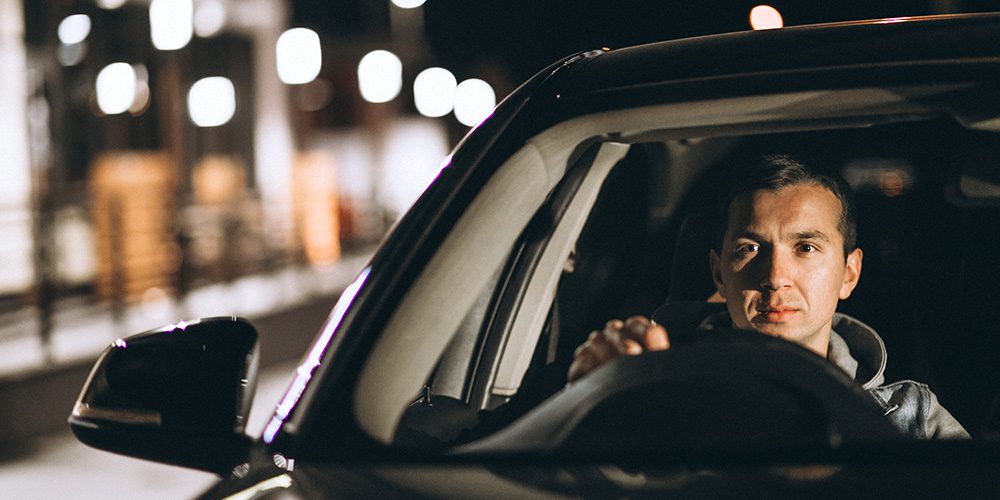

Rideshare services have transformed modern transportation. With a few taps on a phone, a car arrives to take people home from bars, parties, concerts, and late-night events. Companies like Uber and Lyft have built massive advertising campaigns around one central promise: ridesharing is a safe alternative to driving drunk.
That message has saved lives by reducing impaired driving. But there is a darker, far less discussed reality running parallel to that promise—an epidemic of rideshare sexual assault, particularly involving passengers who are intoxicated and therefore more vulnerable. For many survivors, the very service marketed as protection becomes the setting for trauma.
This article examines the scope of the problem, why intoxicated riders are uniquely at risk, how rideshare marketing contributes to misplaced trust, and what accountability, prevention, and systemic change must look like moving forward.
The Safety Promise That Built Rideshare Culture
Uber and Lyft did not merely sell convenience. They sold peace of mind.
Their advertising consistently emphasizes:
-
“Don’t drink and drive”
-
“Get home safely”
-
“A responsible choice after a night out”
The implicit message is clear: if you’re drunk, rideshare is safer than any alternative. And in one sense, that’s true—ridesharing reduces DUI crashes and fatalities. But safety from car accidents is not the same as safety from harm.
When intoxicated riders enter a vehicle alone, late at night, often unable to fully defend themselves or even remember events clearly, the power imbalance between driver and passenger grows dramatically. That imbalance is at the heart of the rideshare sexual assault crisis.
Rideshare Sexual Assault: A Pattern, Not Isolated Incidents
Publicly released safety reports and investigative journalism have made one thing undeniable: sexual assault in rideshare vehicles is not rare.
Survivors have reported:
-
Unwanted touching
-
Sexual comments and coercion
-
Being driven to unsafe or unfamiliar locations
-
Assault while unconscious or semi-conscious
-
Rape
Many of these cases involve passengers who were intoxicated, asleep, or otherwise incapacitated.
This is not a coincidence.
Predators seek opportunity, privacy, and control. A lone, intoxicated rider in the back seat of a locked vehicle—driven by someone who controls the route, speed, and destination—represents a devastating convergence of vulnerability and access.
Why Intoxicated Riders Are Especially Vulnerable
Alcohol and drugs impair judgment, coordination, memory, and the ability to resist or report wrongdoing. For intoxicated riders, this creates multiple layers of risk.
Reduced Ability to Consent or Resist
Consent cannot be freely given when someone is impaired. Yet intoxicated riders may:
-
Freeze instead of fighting back
-
Be unable to verbally object
-
Lose consciousness entirely
Delayed or Incomplete Reporting
Many survivors question their own memories:
-
“Did that really happen?”
-
“Was it my fault because I was drunk?”
-
“Will anyone believe me?”
This hesitation benefits perpetrators and allows repeat offenses.
Isolation
Rideshare assaults often happen:
-
Late at night
-
Without witnesses
-
Far from familiar locations
Isolation makes both prevention and accountability more difficult.
The Role of Rideshare Advertising and Implied Trust
One of the most troubling aspects of this issue is the disconnect between marketing and reality.
Rideshare companies:
-
Encourage intoxicated people to ride alone
-
Promote drivers as trustworthy community members
-
Emphasize background checks and safety features
For many riders, especially young women, this creates a false sense of security. Passengers reasonably assume:
“If they’re telling me to use this service when I’m drunk, they must have systems in place to keep me safe.”
But safety features like in-app emergency buttons, ride tracking, and post-ride reporting often fail to prevent the assault itself. They are reactive tools—not preventative safeguards.
Background Checks and the Illusion of Screening
Rideshare companies often point to background checks as evidence of safety. However:
-
Background checks only catch reported crimes
-
Many sexual predators have no prior convictions
-
Checks are often limited in scope and frequency
Once a driver is approved, oversight is minimal. Drivers operate independently, often without:
-
In-vehicle cameras
-
Direct supervision
-
Regular behavioral monitoring
For intoxicated riders, this lack of real-time accountability can be dangerous.
Survivor Stories Reveal a Disturbing Pattern
Across lawsuits, police reports, and survivor accounts, similar themes emerge:
-
Drivers waiting near bars to pick up visibly intoxicated passengers
-
Drivers refusing to end rides when asked
-
Drivers exploiting riders who fall asleep
-
Drivers using intoxication as a defense (“They consented”)
These patterns suggest systemic vulnerabilities, not random misconduct.
Barriers to Justice for Rideshare Sexual Assault Survivors
Even when survivors come forward, justice is often elusive.
Credibility Bias
Intoxicated survivors are frequently doubted:
-
Their memory is questioned
-
Their behavior is scrutinized
-
Their intoxication is used against them
Mandatory Arbitration
Many rideshare users unknowingly agree to arbitration clauses that:
-
Limit lawsuits
-
Keep cases out of public court
-
Reduce transparency
Corporate Deflection
Companies often frame assaults as:
-
The actions of “bad individuals”
-
Rare exceptions
-
Outside their control
This deflection ignores the structural risks built into the rideshare model.
Who Bears Responsibility?
Rideshare sexual assault raises uncomfortable but necessary questions about responsibility.
Drivers
Perpetrators are responsible for their actions—without exception.
Rideshare Companies
Companies may bear responsibility when they:
-
Market to intoxicated riders without adequate safeguards
-
Fail to remove dangerous drivers promptly
-
Ignore warning signs or prior complaints
The System Itself
When a system repeatedly places vulnerable people in risky situations, accountability must extend beyond individuals.
Prevention: What Real Safety Would Look Like
If rideshare companies truly want to protect intoxicated riders, meaningful changes are required.
Stronger Driver Monitoring
-
In-vehicle cameras (with privacy safeguards)
-
Real-time ride audits for red flags
-
Faster suspension after complaints
Design Changes for Vulnerable Riders
-
Optional “safe ride” modes for intoxicated passengers
-
Automatic check-ins during late-night rides
-
Easier ways to share rides with trusted contacts
Clearer Messaging
Advertising should acknowledge risks honestly and promote:
-
Riding with friends when possible
-
Awareness of boundaries and consent
-
Immediate reporting without blame
What Riders Can Do to Reduce Risk
While responsibility should never fall on survivors, practical steps can help reduce vulnerability:
-
Share trip details with a trusted person
-
Sit in the back seat, opposite the driver
-
Stay awake if possible
-
Trust your instincts and end the ride if something feels wrong
-
Use in-app emergency features immediately if threatened
These steps are not foolproof—but they can provide additional layers of protection.
The Broader Cultural Issue: Alcohol, Consent, and Power
Rideshare sexual assault does not exist in a vacuum. It intersects with:
-
Rape culture
-
Victim-blaming
-
Misunderstandings about consent and intoxication
As long as society questions survivors more harshly than perpetrators—especially when alcohol is involved—accountability will remain elusive.
Why This Is an Epidemic, Not a Series of Accidents
The term “epidemic” is appropriate because:
-
The assaults are widespread
-
The risk factors are known
-
The system remains largely unchanged
-
Survivors face consistent barriers to justice
When harm continues despite clear warning signs, it is no longer accidental—it is systemic.
Looking Forward: Accountability, Reform, and Survivor-Centered Change
Ending rideshare sexual assault, especially against intoxicated riders, requires:
-
Transparent reporting
-
Stronger regulation
-
Survivor-centered policies
-
Corporate accountability that matches corporate profit
Rideshare companies cannot continue to profit from marketing safety to drunk passengers while failing to fully protect them.
Conclusion
Rideshare services have undeniably saved lives by reducing drunk driving. But safety cannot be selectively defined. A ride home that ends in sexual assault is not safe—no matter how convenient or well-marketed it was.
The epidemic of rideshare sexual assault involving intoxicated riders demands honest reckoning, not PR statements. Survivors deserve belief, protection, and justice. And riders deserve a system that truly matches the safety it promises.
Until then, the gap between advertising and reality will continue to put vulnerable people at risk—one late-night ride at a time.